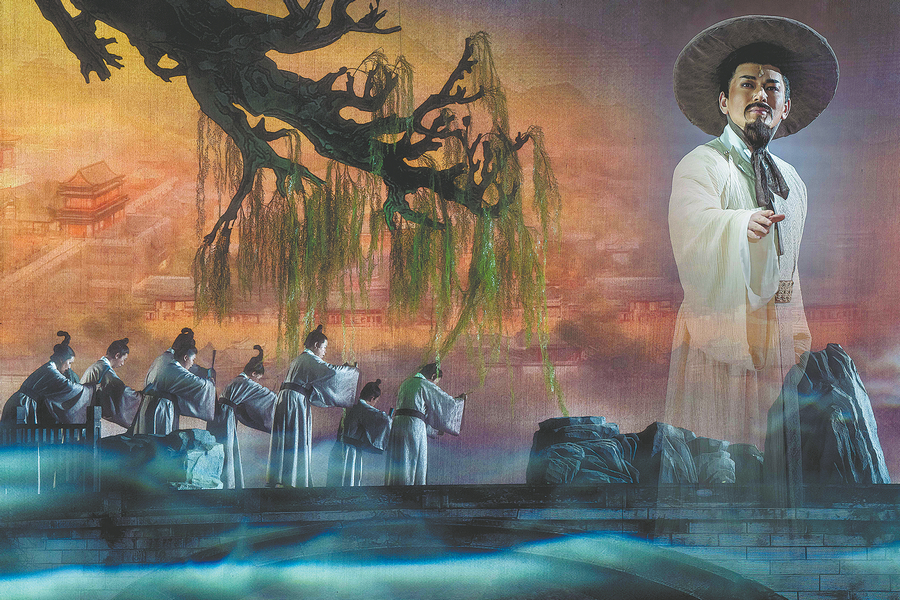
Liu Zongyuan
Overview
Liu Zongyuan (773–819) was a celebrated Chinese writer, philosopher, and politician during the Tang Dynasty (618–907). Renowned as one of the "Eight Great Prose Masters of the Tang and Song Dynasties," Liu Zongyuan's literary contributions and philosophical insights have left an indelible mark on Chinese culture. His works, characterized by their profound depth and stylistic elegance, encompass poetry, essays, and philosophical musings. Despite facing political adversity and exile, Liu Zongyuan's resilience and intellectual pursuits have made him a revered figure in Chinese history.
Early Life and Political Career
Liu Zongyuan was born during the Tang Dynasty, a period of cultural and intellectual flourishing. From an early age, he displayed exceptional talent in literature and philosophy. His aspirations led him to pursue a career in the imperial court, where he hoped to contribute to governance and societal reform. However, his political career was fraught with challenges. Liu's progressive ideas and reformist stance often clashed with the prevailing political climate, leading to his eventual demotion and exile.
In 805, Liu Zongyuan was exiled to Yongzhou in Hunan province, and later to the remote region of Liuzhou in Guangxi. Despite his dissatisfaction with his political circumstances, Liu dedicated himself to improving the lives of the local populace. He promoted Confucian values, initiated agricultural reforms, and worked to alleviate poverty. These efforts earned him the affectionate title "Liu Liuzhou" among the locals.
Literary Contributions
Liu Zongyuan's literary legacy is vast and varied, encompassing poetry, essays, and philosophical works. His writings often reflect themes of solitude, introspection, and the transient nature of life, shaped by his experiences of exile and adversity. Among his most famous works is the poem "Snow on the River," which epitomizes his mastery of imagery and emotional depth:
On thousand mountains no sign of birds,
On ten thousand paths no trace of man.
A boat and an old man with straw rain cape,
Fishes alone in cold river snow.
This poem is celebrated for its vivid depiction of a desolate winter landscape and its symbolic representation of solitude and perseverance. Liu's ability to convey profound philosophical ideas through simple yet evocative language has made his works timeless.
Philosophical Insights
Liu Zongyuan's philosophical outlook was deeply influenced by Confucianism, Taoism, and Buddhism. His writings often explore the relationship between humanity and nature, emphasizing harmony, introspection, and moral integrity. Liu's essays, in particular, showcase his intellectual depth and his commitment to ethical governance and societal well-being.
One of Liu's notable contributions to Chinese philosophy is his emphasis on the importance of self-cultivation and moral rectitude. He believed that individuals should strive to improve themselves and contribute positively to society, even in the face of adversity. This philosophy is evident in his actions during his exile, where he worked tirelessly to uplift the local communities.
Legacy and Influence
Liu Zongyuan's contributions to Chinese literature and philosophy have had a lasting impact. As one of the "Eight Great Prose Masters of the Tang and Song Dynasties," his works set a standard for literary excellence and intellectual rigor. His essays and poems continue to be studied and admired for their artistic and philosophical merits.
In addition to his literary achievements, Liu Zongyuan's dedication to public service and his efforts to improve the lives of the people in Liuzhou have made him a symbol of integrity and compassion. His life and works serve as a reminder of the enduring power of resilience, creativity, and moral conviction.
Cultural and Historical Significance
Liu Zongyuan's influence extends beyond literature and philosophy. His life and works have inspired numerous artistic and cultural endeavors, including operas, exhibitions, and scholarly studies. For instance, the folk opera "Liu Liuzhou" highlights the final years of Liu's life, portraying his struggles and triumphs in Liuzhou. The production combines traditional Chinese music, Guangxi folk songs, and operatic elements to celebrate Liu's legacy and his contributions to Chinese culture.
Liu Zongyuan is also commemorated in various historical and cultural sites, such as the memorial temple in Liuzhou. These sites serve as a testament to his enduring significance and his role in shaping Chinese intellectual and cultural history. Article reference1. Singing his praises, across the ages. chinadaily.com.cn. 20242. Snow on the River. en.chinaculture.org. 2023Photo Gallery(4 pictures)CategoriesLiteratureTagHistorical FiguresLiterary FiguresRelatedEight Great Prose Masters of the Tang and Song DynastiesShigu AcademySnow on the RiverCatalogue1. Overview2. Early Life and Political Career3. Literary Contributions4. Philosophical Insights5. Legacy and Influence6. Cultural and Historical Significance- - - []








